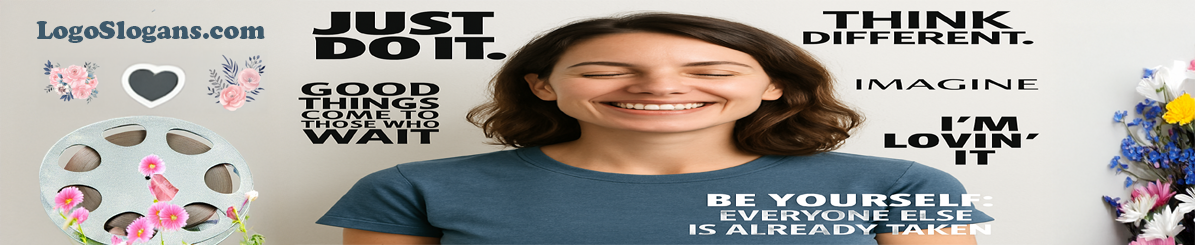
Slogans aren’t just catchy phrases—they evolve alongside culture, technology, and consumer expectations. Some of the world’s most iconic brands have reinvented their slogans multiple times, each shift reflecting a new era. By studying these changes, businesses can uncover valuable lessons for crafting their own brand messages.
Coca-Cola: From Product to Emotion
1969: “It’s the Real Thing” tapped into authenticity.
2009: “Open Happiness” shifted to lifestyle and emotion.
Lesson: Evolve your slogan from describing the product to expressing the experience. Customers don’t just buy Coke—they buy a feeling.
Nike: From Performance to Empowerment
1988: “Just Do It” became a universal message of motivation.
Today: It remains timeless, resonating with athletes and non-athletes alike.
Lesson: A great slogan transcends products and becomes a rallying cry for your audience.
McDonald’s: From Food to Feelings
1971: “You Deserve a Break Today” highlighted convenience.
2003–Now: “I’m Lovin’ It” connects with happiness and emotion.
Lesson: The best slogans adapt with cultural shifts while staying true to core values.
Apple: From Functionality to Philosophy
1997: “Think Different” redefined the brand as visionary.
Today: The brand relies more on design consistency than a single slogan.
Lesson: A slogan can reposition an entire company when combined with strong branding.
Lessons for Your Business
- Stay adaptable: Slogans should evolve with your audience and culture.
- Go beyond the product: Focus on the experience and emotion.
- Keep it timeless: Simple phrases are easier to update without losing identity.
- Test before committing: Ensure your slogan resonates across different demographics.
Final Thoughts
The evolution of slogans from brands like Coca-Cola, Nike, McDonald’s, and Apple shows that while words may change, the core message must remain strong. For businesses today, the key isn’t to chase trends, but to craft slogans that reflect both present relevance and long-term values.
Logo Slogans Related Articles
- 10 Timeless Logo Slogans That Still Inspire Audiences Today
- 5 Branding Mistakes to Avoid When Pairing Logos with Slogans
- Catchy vs. Clever: What Really Works in Logo Slogans?
- From Sketch to Slogan: The Art of Crafting a Brand Identity
- Future Trends: AI, Minimalism, and the Next Wave of Logo Slogans
- Logo & Slogan Power: How the Right Combo Builds Unforgettable Brands
- Small Business Secrets: Affordable Ways to Design Logos and Slogans That Sell
- The Evolution of Famous Logo Slogans—And Lessons for Your Business
- The Psychology of Slogans: Why 3 Words Can Make or Break a Brand
- Why Your Logo Isn’t Complete Without the Perfect Tagline